I teach a course called "Shakespeare in Context." Part of my mandate as the professor for this course—and as its title suggests—is to put Shakespeare "in context." This entails situating Shakespeare's plays and poems in their early modern cultural, political, economic, theatrical, textual, and/or historical contexts. Such contextualization provides a framework for both understanding Shakespeare's language as well as the conflicts—be they familial, political, or otherwise—that animate the plays and poems. But, as I tell my students on day one, this course should probably be called "'Shakespeare' in Context," because it is concerned as much with how early modern England shaped Shakespeare's poetry and drama as it is with how the past 400 years have shaped and reshaped "Shakespeare." Here is the course description:
Read moreStreet Address
City, State, Zip
Phone Number
Your Custom Text Here
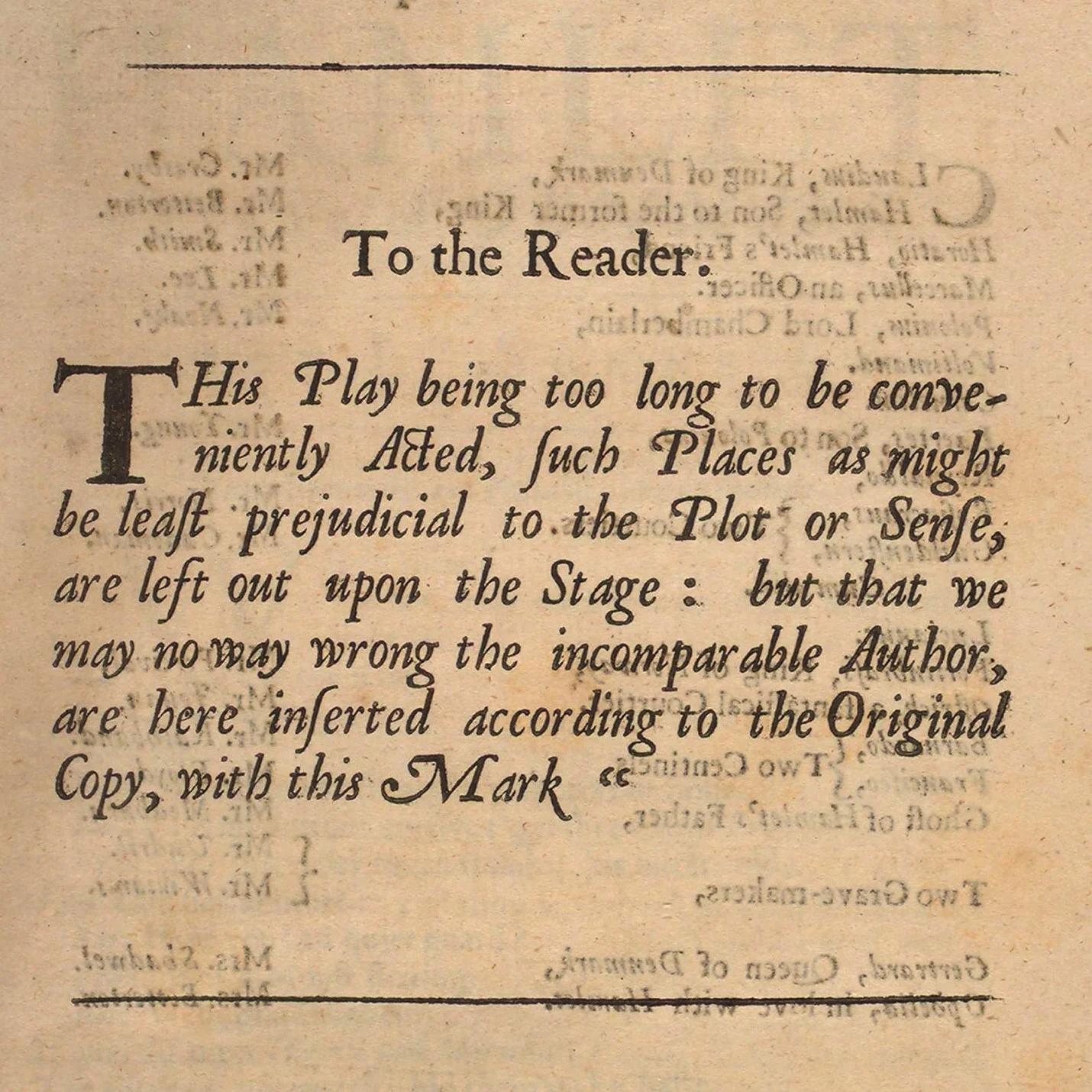
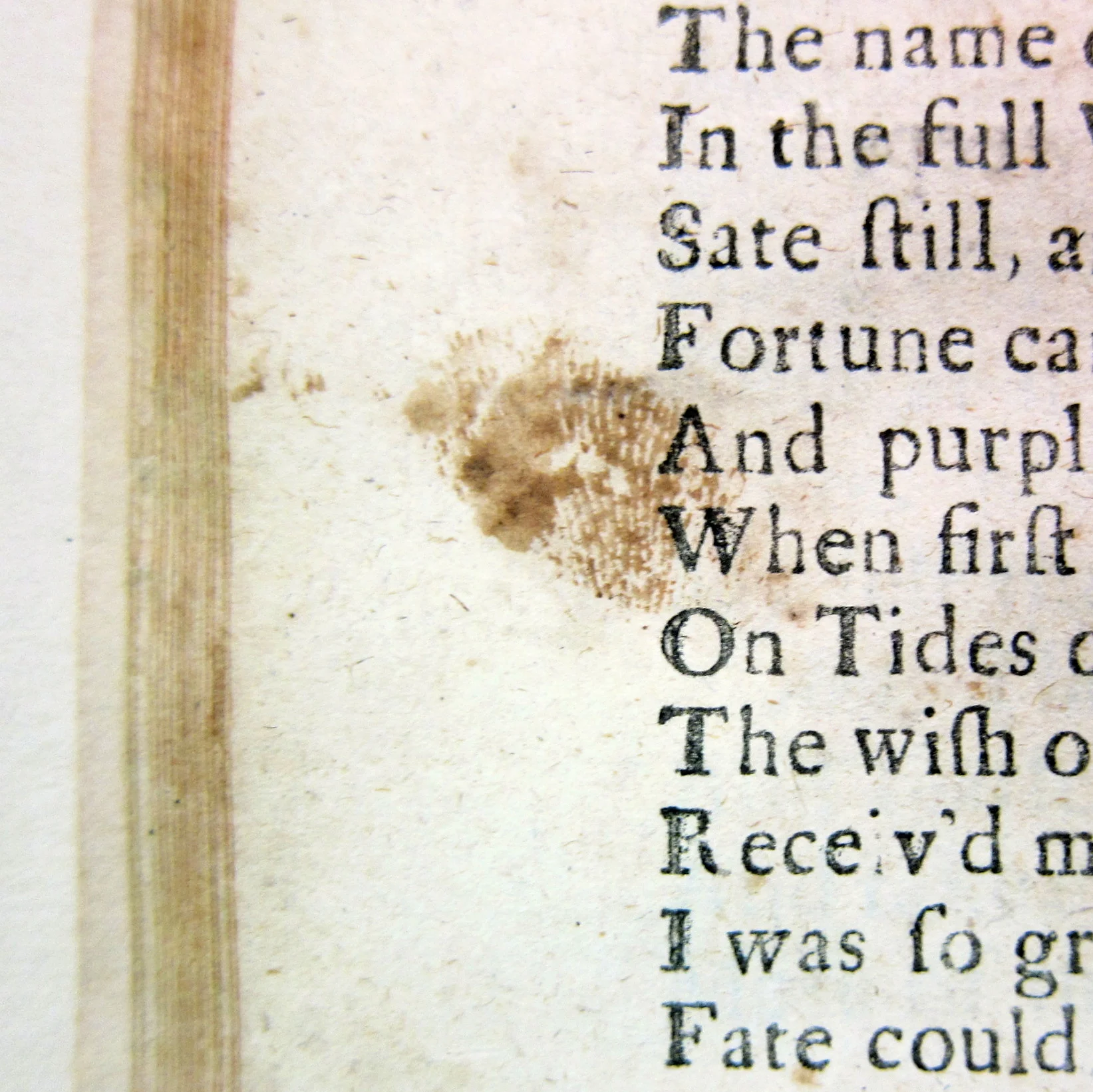
Last year, I started reserving a day in each of my Shakespeare courses for students to "make" quartos. I wrote at some length (almost exactly a year ago) about the experience of making Q1 Hamlet with my students at VCU and posted instructions, information about supplies for the activity, and a link to the sheets (which I made from EEBO printouts).
This semester, I'm teaching a senior seminar called "Early Modern Drama: Manuscript, Print, Performance" that focuses on the material-textual processes that facilitated the making of theatrical performance and printed texts of the plays. So far, my students have reverse-engineered scribal backstage plots of Doctor Faustus, performed a scene from the same play using cue scripts, and "made" quartos.