Of Pilcrows will explore the histories of books, their makers, and their users, as well as strategies for teaching with book historical methods.
Street Address
City, State, Zip
Phone Number
Your Custom Text Here
Your Custom Text Here
Of Pilcrows will explore the histories of books, their makers, and their users, as well as strategies for teaching with book historical methods.
This coming March, I'm participating in a seminar at the Shakespeare Association of America Annual Meeting called "Teaching Textual Studies in/through Shakespeare," organized by Sarah Nevill and Brett Hirsch. I considered writing about one of the assignment I designed for my Shakespeare course last term—making a quarto or adopt-a-book. I thought writing about them at some length would give me occasion to reflect on what worked well and what I need to tweak if I use them again. Both assignments were attempts to teach early modern textual histories at an institution that has special collections that skew sharply post-1900, so I thought I might also discuss these assignments in that context.
But then I remembered a conversation I had with a few people on Twitter last year...
This January, I will be presenting a paper at the Modern Language Association (MLA) convention for the first time. It won't be my first time at MLA (I've been before for job interviews), but it will be my first time navigating the convention's extensive line-up of panels, roundtables, &c.
To that end, I've compiled a list of sessions that constellate around my interests in book history, bibliography, remediation, and pedagogy. This list is not designed to be comprehensive but rather to give others who might be interested in similar fields a starting point for their own #mla16 itineraries.
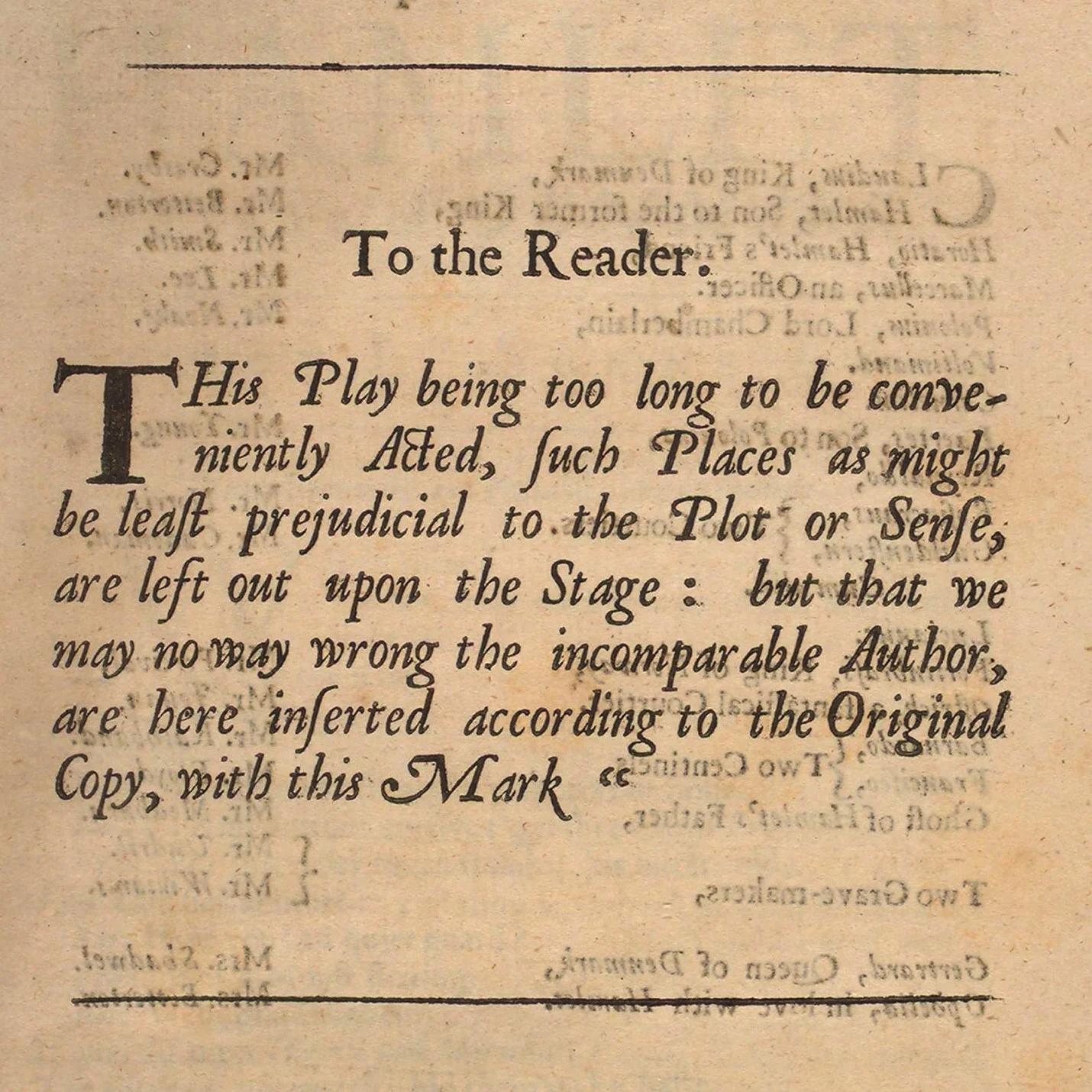
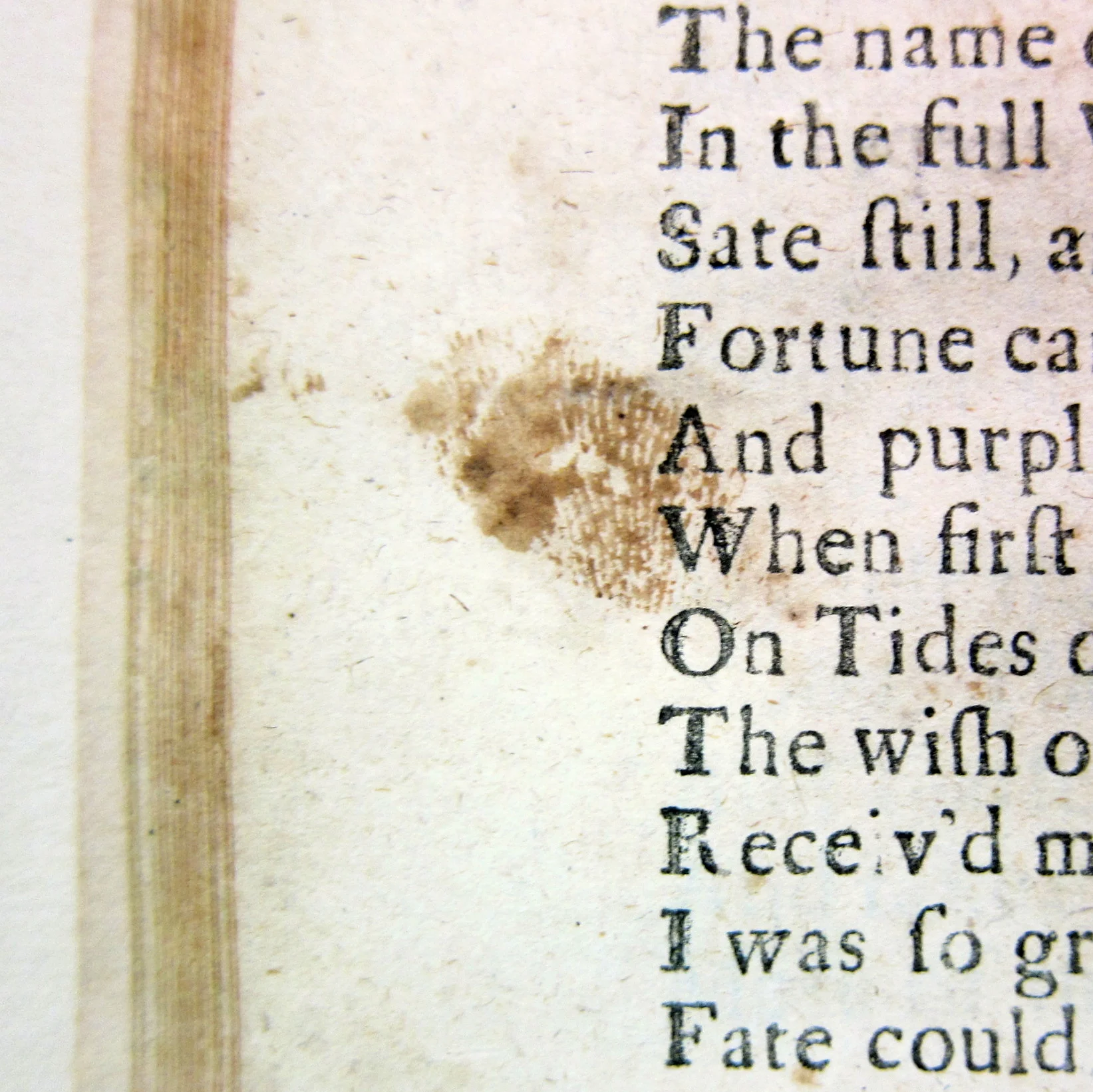
Last year, I started reserving a day in each of my Shakespeare courses for students to "make" quartos. I wrote at some length (almost exactly a year ago) about the experience of making Q1 Hamlet with my students at VCU and posted instructions, information about supplies for the activity, and a link to the sheets (which I made from EEBO printouts).
This semester, I'm teaching a senior seminar called "Early Modern Drama: Manuscript, Print, Performance" that focuses on the material-textual processes that facilitated the making of theatrical performance and printed texts of the plays. So far, my students have reverse-engineered scribal backstage plots of Doctor Faustus, performed a scene from the same play using cue scripts, and "made" quartos.